
Rice, Culture, and Innovation: Plant Breeding and Biotechnology Master’s Student Experience in The UNP Summer Seminar, Niigata, Japan
Rice, Culture, and Innovation: Plant Breeding and Biotechnology Master’s Student Experience in The UNP Summer Seminar, Niigata, Japan
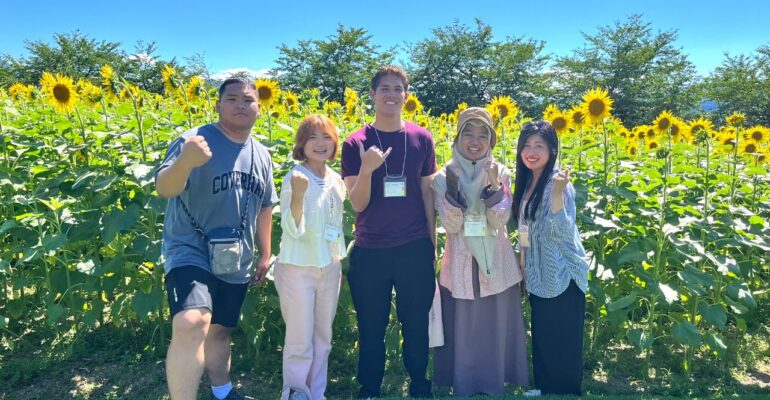
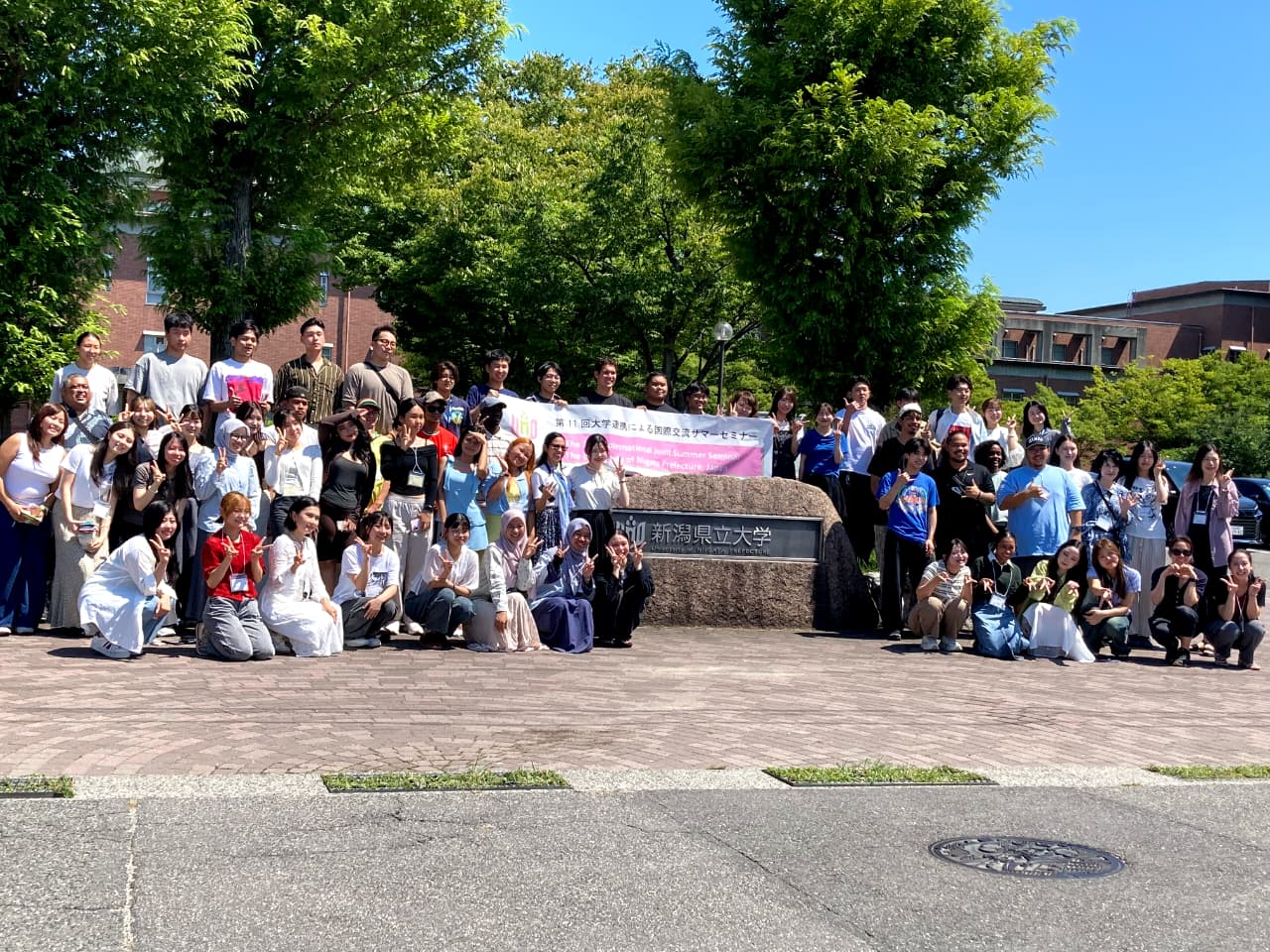
Niigata – Japan, August 2026. Dewi Sukma Inderawati, a Master’s student from IPB University’s Study Program of Plant Breeding and Biotechnology (PBT), participated in the 2026 Student Exchange Support Program at the University of Niigata Prefecture (UNP), Japan, held on 4–8 August 2026. The seminar gathered 60 students from eight countries under the theme “How can Niigata make use of its resources for community development?”
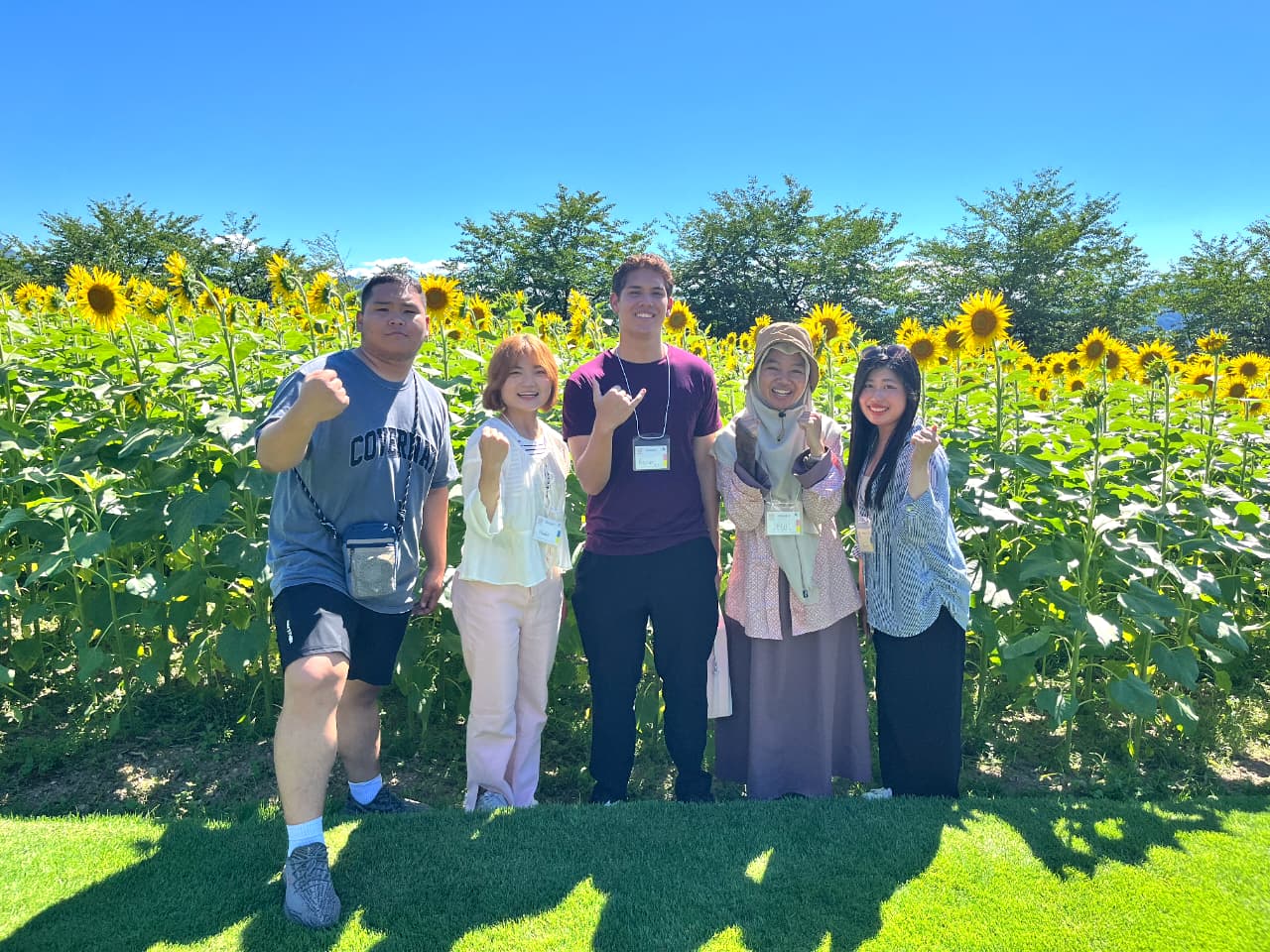
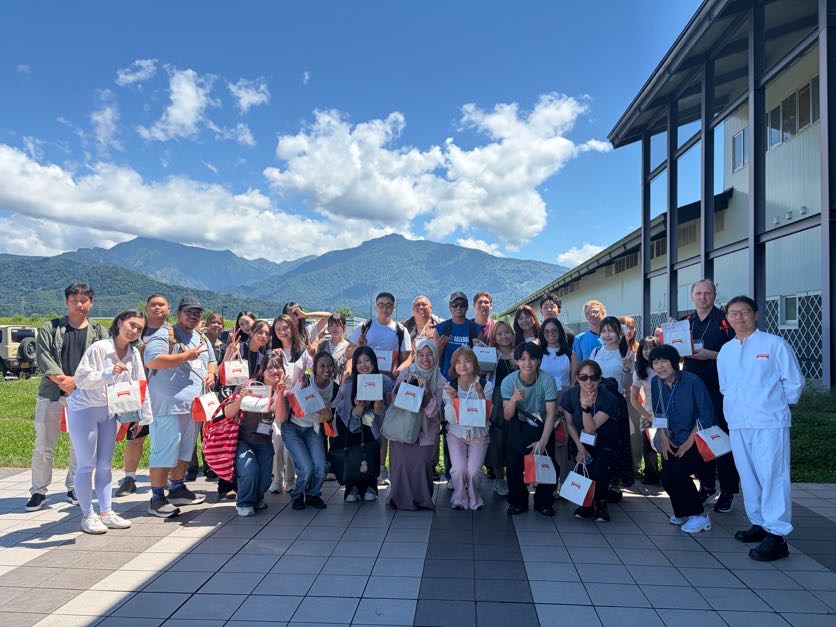
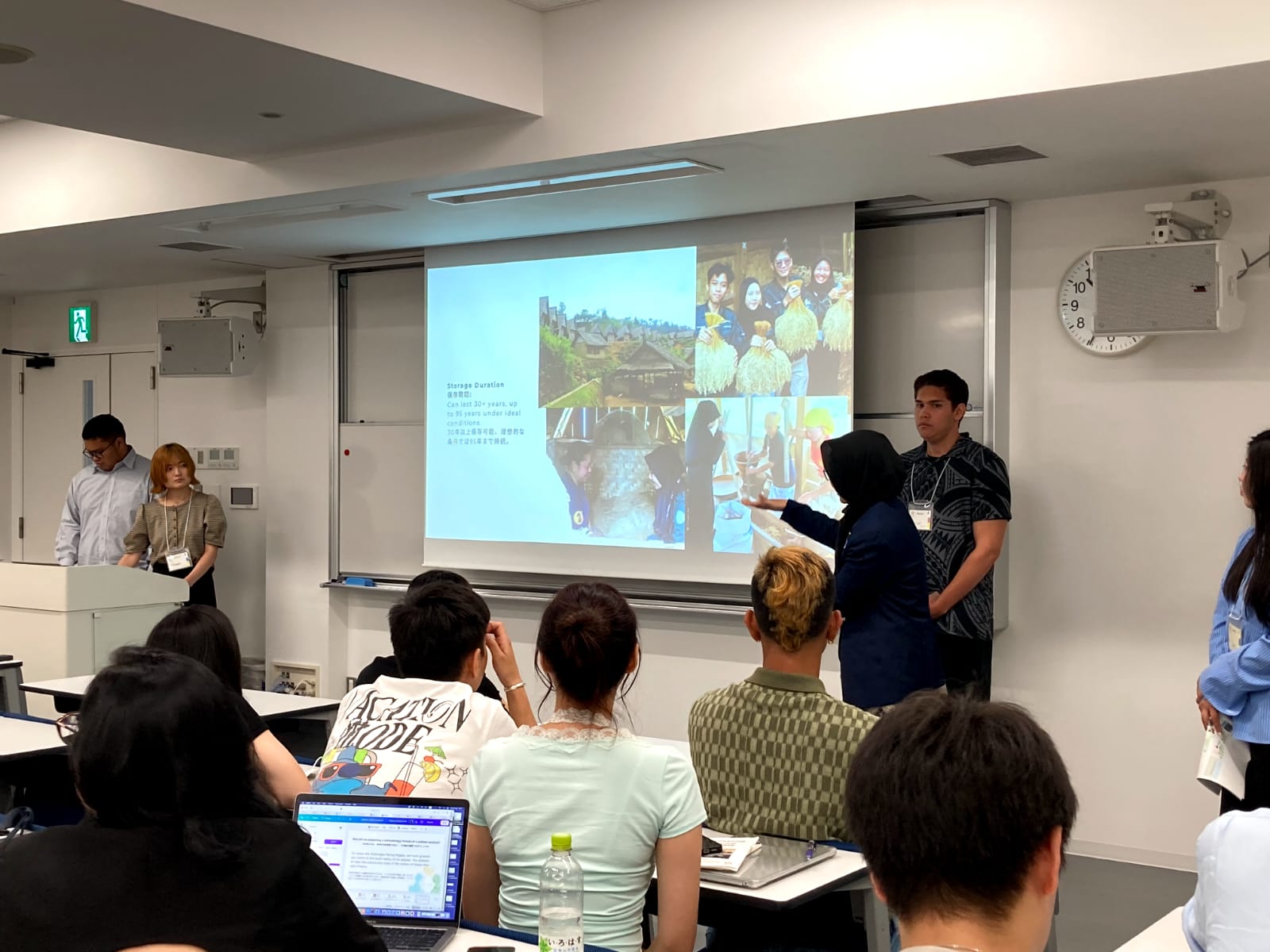
Participants visited leading companies such as TableMark, Japan’s top udon producer and second-largest rice pack supplier, and Hakkaisan Brewery, which uses snow cellars for sustainable sake and rice preservation. Dewi’s project team, comprising peers from Japan, the USA, and Mongolia, explored “Making Use of Niigata’s Natural Resources” with a focus on water, snow-based preservation, and rice innovation technologies.
Rice, central to Asian culture and food security, became the focal point of their study. Niigata, Japan’s rice capital, produces over 637,000 tons annually, with its renowned Koshihikari variety prized for sushi, senbei, and sake. At Hakkaisan Brewery, nearly 1,000 tons of snow stored in the Yukumuro cellar maintain a constant 3–4 °C, naturally aging rice and sake while reducing energy use. Dewi’s team compared this modern approach with Indonesia’s traditional Leuit granary system of Ciptagelar Village, Sukabumi, where rice can be preserved for decades through natural ventilation and cultural rituals such as Seren Taun. Together, these examples highlight how both advanced technology and ancestral wisdom sustain communities and reflect Asia’s shared heritage.
Beyond academic exploration, the program enhanced intercultural communication. Dewi emphasized confidence and resilience in language learning: “It is okay to make mistakes because we are still learning. Keep trying, and never give up.” She highlighted language as a bridge to ideas, cultures, and people worldwide.
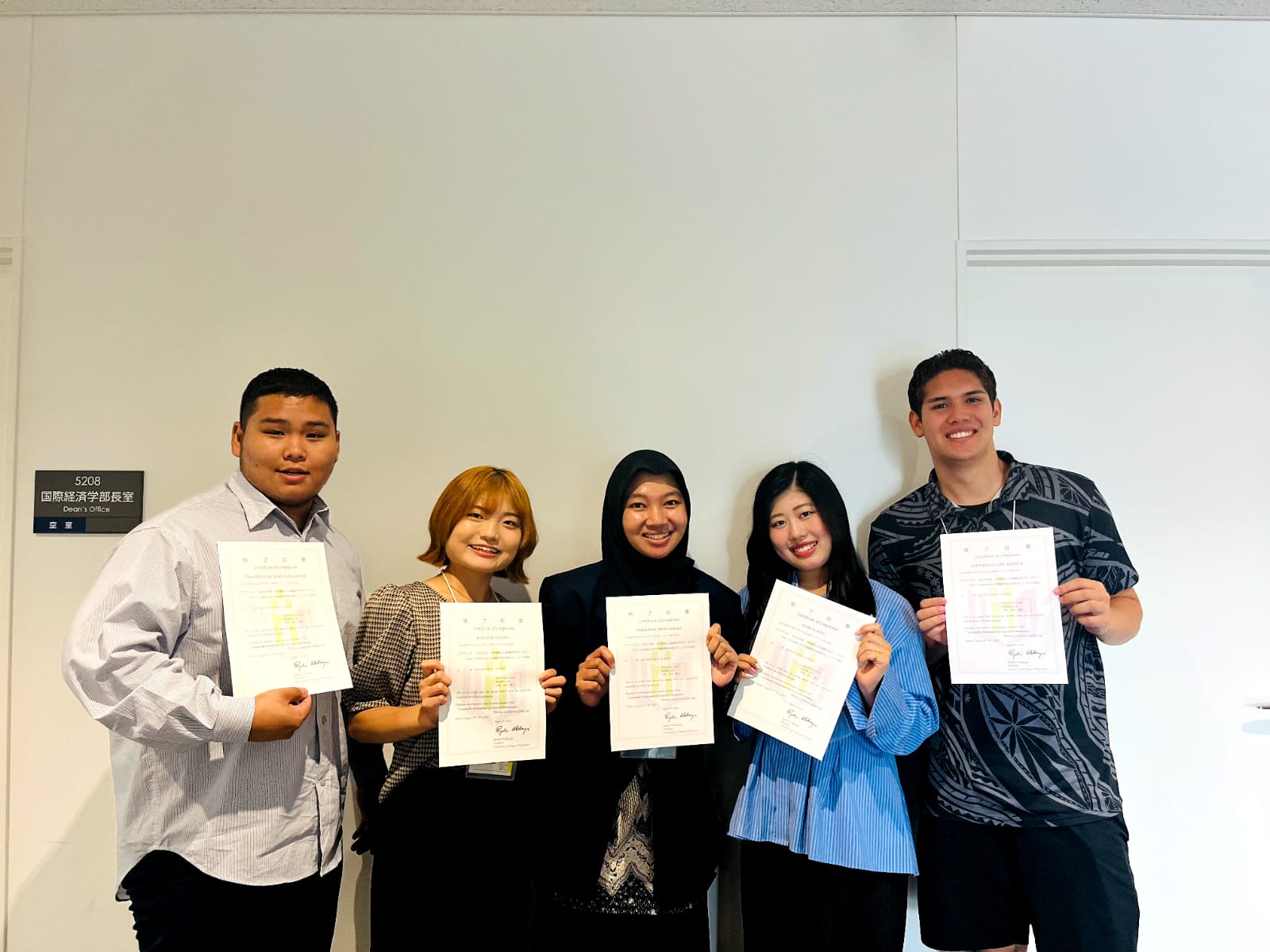
Dewi’s participation underscores the relevance of international exposure to the Plant Breeding and Biotechnology study program, where understanding genetic resources, food preservation, and sustainable practices is vital. Her experience in Niigata reflects IPB University’s commitment to preparing students for global collaboration in agriculture, biotechnology, and community development.
[dsi/ swa]